The Pros and Cons of Epoxy Flooring

It may be difficult to look for a flooring solution that can withstand the challenges of time and is resistant to chemicals, splashes and stains. Almost all floor coverings have one of the drawbacks. And that’s one of the reasons why sturdy shoes are so important for walking on concrete. Epoxy floors that are ideal for a variety of needs seem to have few drawbacks and many advantages. However, when considering installing it at home or at work, it is advisable to investigate both the strengths and weaknesses of this material.

Pros of Epoxy Flooring:
Appearance
Epoxy flooring are bright and professional compared to your average garage floor. Her appearance alone makes her attractive. The smooth and uniform surface is very easy to sweep and maintain. I don’t really care about this type of flooring, so it’s very easy to clean the dirt.
Affordability
Compared to other types of flooring, the costing per square foot of epoxy flooring is unbeatable. Since it can be installed directly on flooring materials such as concrete, the installation cost is considerably reduced. Pricing is one of the biggest and most direct benefits of Epoxy Flooring.
Resistance
The durability of epoxy flooring makes it a great choice for any garage or industry that works with oil and other chemicals on an regular basis. Not only does this material withstand spills/cleaners, but also heat (from brakes) as well water resistance means no worries about getting dirty while you work. The durability of these floors make them perfect for any business that needs to withstand high traffic and chemical spills. They’re also resistant against bacteria, germs, so they can be easily sanitized if necessary! This makes epoxy ideal for hospitals and clinics.
Durability
Epoxy flooring are particularly valued for their durability and will last longer than many other floor types. There is no material that can beat concrete, but it must be sealed properly and maintained. Also, the epoxy floor coating required concrete underneath anyway. Epoxy flooring coatings make concrete plaster extremely durable. They also offer the advantage of fatigue resistance and can be easily deployed on cement without mortar or glue. You can take that extra step and make your floor even more beautiful by getting Epoxy Flooring at Painters Singapore.
Protective
Epoxy flooring protect the underlying concrete from moisture, dirt, grease and cracks. You don’t have to clean your carpet or grout in the long run, which can save you a lot of time and money. It is also very affordable based on the duration and level of protection it offers. However, the protective properties of epoxy flooring vary by installer. You need to find a high quality epoxy flora locally. If that’s the problem, you can find an epoxy floor near me.
Longevity
Epoxy coatings last longer than many types of flooring. When properly installed, it can last for decades without cracking or peeling. In addition to durability, its durability makes it popular for commercial and industrial use.
Variety
Epoxy is also a good choice to decorate your floor. Available in a variety of colors that give a perfect, smooth and elegant glow. Flooring can also be placed in traditional or personalized patterns and designs. A wide range will be an economical way to upgrade plain concrete and improve the atmosphere of your home or office.
Safety
The floor of your garage is an overlooked space that can be transformed with epoxy. The material will reflect light and make it easier to see what you’re doing when working in tight spots, saving time on projects big or small!
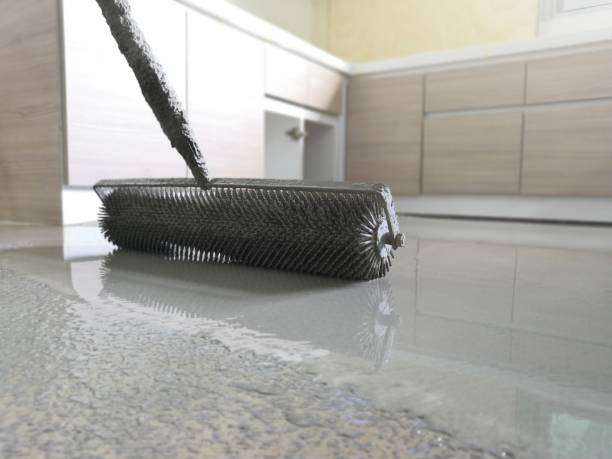
Cons of Epoxy Floors:
Temporary
One of the downsides to using epoxy for floors is that it’s only temporary. It’s durable and elastic, but it needs to be replaced at some point. Unlike some other flooring solutions, everyday wear on epoxy floors comes at the expense of it. To make everything look good, you need to apply a new coat of epoxy. This is especially unavoidable if heavy objects fall to the floor.
Cracks can occur and chipping is a very common problem. Thought chips start out as a little annoyance, and eventually a wide range of fur leaves the ground. Wheelbarrows and toolbox wheels also get stuck when you roll the damaged area. The floor needs to be repaired.
Slippery
Epoxy floors are relatively non-slip. This scam is not universal. It is very slippery and is unique only to oil coated epoxies. However, when it gets wet, it becomes very slippery and can be a dangerous situation. In places where the floor can be spilled or splashed with water, these are not the right choices. This is another drawback. However, structuring the soil can mitigate this risk, at least to some extent.
Preparation
Preparing an existing floor for epoxy application is tedious. It takes a lot of effort. Before applying the epoxy coating, the concrete floor should be clean and free of grease, oil or solvent. The cracks also need to be filled. Cleaning the concrete floor requires several attempts. All this necessary preparatory work is at a disadvantage.
The good news is that advances in manufacturing and application methods will soon make it relatively easy for homeowners to apply with hand tools.
Application
Apart from the large preparation required to finish the concrete, applying an epoxy coating is a time-consuming process. It also takes a few days to dry properly. Also, the first layer of epoxy must be completely dry before applying the next layer. If you are busy with time, you can use a permeable concrete sealer instead. It saves time and money, but the downside is the lack of an aesthetic appearance on the floor of the epoxy garage.
Smell
Wet epoxy has a strong smoke. Dark shades of epoxy are more curable than light shades. They tend to smell like ammonia after application.
Sensitivity
Epoxy floors should be installed as instructed. The flooring will not be the required length if it isn’t installed properly. The coating is also quite fragile. Removing the paint mist is very difficult. The coating should only be applied during low humidity seasons. Moisture is the enemy of flooring. If it gets into your home, then there are limits as to how long they’ll last before being ruined by rot orator themselves- so keep an eye out for telltale signs.
It is important to reduce the humidity level in order for your freshly painted walls and cabinets not become damaged by excess moisture. A dehumidifier will help you achieve this goal. This removes as much moisture in the air as possible and prevents moisture from being trapped under the floor after applying the resin coating.
Adherence
To avoid adhesion problems, the concrete floor should be dried, prepared and thoroughly cleaned before applying the epoxy. Epoxy does not bond well in humid environments such as basements. If you apply epoxy paint to a damp floor in a damp environment, it will come off the floor.
Moisture
The material does not breathe after curing, which can be a problem when the moisture trapped under the surface evaporates. In some cases, floor covering may bulge or buckle, which may eventually require repair or repainting.
Additional Costs
Homeowners need to purchase special cleaning acids and other chemicals to ensure that the epoxy adheres. Also, if you want to use these chemicals, you will need to purchase and use special protective clothing, goggles and respiratory organs. Not only does this increase the time and effort required, but it can also increase costs in some cases.
Removal
Once the epoxy is applied, changing colors and designs can be a labor-intensive and costly task. Removing the coating is very tedious and difficult in situations where the floor needs to be repaired. Studies have shown that there are several advantages and disadvantages to using epoxy floors. Before making a decision, it is highly recommended to consult a professional contractor to perform a soil analysis. Experts can also evaluate the moisture resistance of the soil to minimize the possibility of delamination.
